We often get asked what to eat for acne, and how big of a role diet plays in the development of and clearing acne for good.
Our answer is always that it depends on your own root cause, what is causing the flare up, and your body in particular.
Does diet affect acne?
Well The American Academy of Dermatology (2016) says the evidence at present only demonstrates that diet may influence and aggravate existing acne, but is most probably insufficient to cure it. The study also noted that a high glycemic index and dairy may influence acne.
This data is in line with our founder's adult acne story.
Below we have summarised a number of findings from trials that looked into the influence of particulars in your diet.
1. DAIRY
Results from multiple trials and observational studies have found that dairy products, milk in particular, are associated with causing acne vulgaris.
This is because when dairy is digested in our bodies it promotes insulin like growth factor 1 - IGF1 - which stimulates sebum production, follicular growth and androgen hormone production. Research studies have found that genetic variants of IGF1 are associated with increased risk of acne, and increase the severity of acne.
2. GLYCAEMIC INDEX
Western diets are also associated with increasing insulin like growth factor - IGF1 - due to processed foods, refined carbohydrates, saturated fat and dairy.
A wider Cochrane Review of therapies for acne vulgarisms found data from one study showed a low glycemic index diet was associated with reduced inflammatory lesions and total skin lesion counts.
Along with this a high glycaemic index diet may affect gut health negatively, negatively impacting a healthy diversity of gut bacteria, which plays a wider role in skin health.
3. BACTERIAL CULTURES
Several trials have looked at bacterial cultures in the diet. Bacterial cultures support the naturally occurring bacteria in the body.
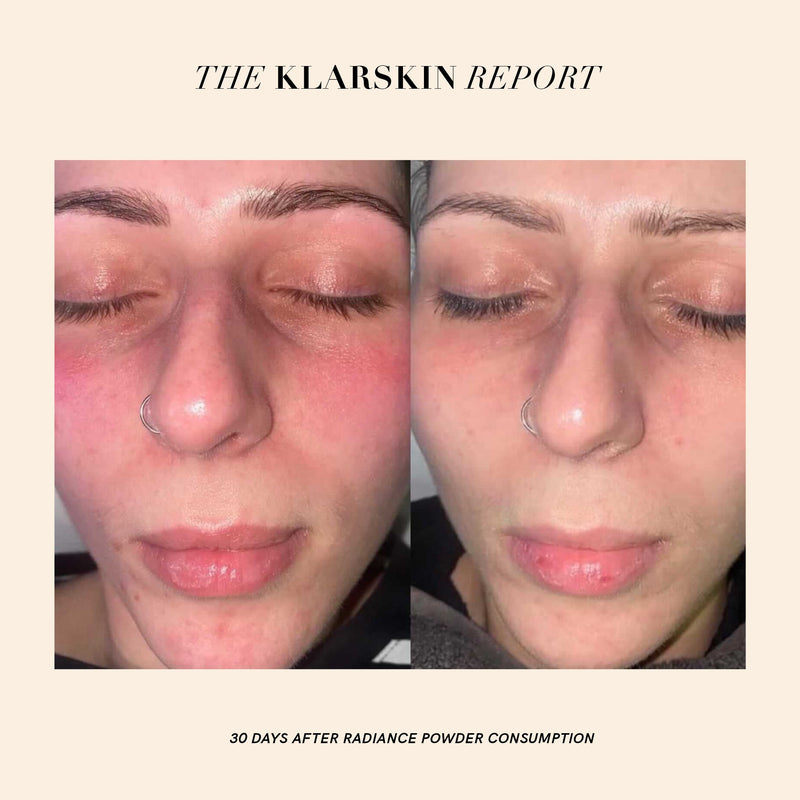
Although a healthy gut is beneficial for so much more than just skin health, we cannot overlook the fact that gut health is directly linked to the severity of someone’s acne.
There are hundreds of research papers now demonstrating the evidence and distinguishing which probiotic strains and what quantities are beneficial for different types of acne.
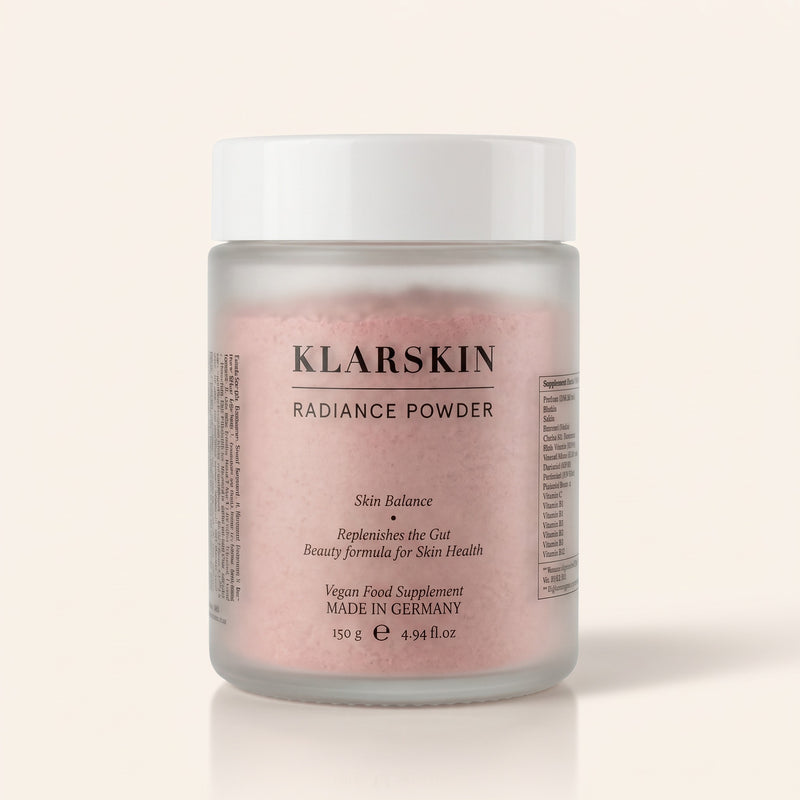
Our Radiance Powder is a daily food supplement with bacterial cultures, plant fibres and vitamins.
4. ANTIOXIDANTS & POLYPHENOLS
There are a few studies that have shown the benefits of certain antioxidants to skin health.
Vitamin A and E have been found to benefit acne prone skin in small studies of 100 people.
Green tea has been linked to a reduction in sebum production.
Reservatrol has been found to kill P.acnes in vitro.
Even if it does not directly benefit your acne these compounds are all extremely beneficial for long term health regardless, so a great addition to your weekly diet intake.
We hope the above is useful — and as always, our Starter Pack and Radiance Powder are there if you would like to try them.